Honeybelle: A Playful Serif for Digital Branding and Web Design
The Personality of Honeybelle
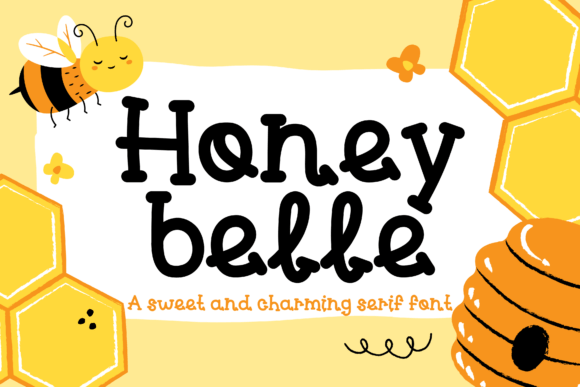
Honeybelle is a hand-drawn display serif typeface that brings a playful, chunky energy to any design. Its bouncy forms and friendly curves make it feel like a warm hug for the eye. As a web designer, I've found that Honeybelle’s personality aligns perfectly with brands that want to convey approachability, creativity, and a touch of whimsy.
How Honeybelle Enhances Web Layouts
In digital design, typography plays a critical role in guiding user attention and setting the tone. Honeybelle excels in creating visual hierarchy through its bold, chunky serifs and dynamic letterforms. It works especially well in headers, hero sections, and call-to-action buttons where you want to capture attention quickly.
For example, using Honeybelle as a hero title on a creative portfolio site can immediately set the mood—friendly, inviting, and modern. Its legibility at larger sizes makes it ideal for banners and promotional graphics. However, when used at smaller sizes, it still maintains clarity, which is essential for maintaining readability across different screen sizes.
Readability and Responsiveness
One of the key considerations in web design is ensuring that your typography is readable on all devices. Honeybelle performs well on both mobile and desktop screens, but it's important to test its appearance on smaller buttons and dark backgrounds. The font’s thick strokes provide good contrast against light backgrounds, making it suitable for image overlays or dark mode interfaces.
When pairing Honeybelle with body text, it's best to complement it with a clean sans-serif font. This combination ensures that the design remains balanced and functional while still allowing the display font to shine in key areas like headings and accents.
Brand Identity and Tone
Honeybelle is more than just a pretty font—it's a tool for brand storytelling. Its playful nature makes it perfect for creative industries such as children’s content, boutique online stores, and educational platforms. When designing a website for a coaching business or a product landing page, Honeybelle can help reinforce a brand’s personality without being overwhelming.
Using Honeybelle in logo design or as a decorative accent can add character to a brand’s visual identity. However, it’s important to use it sparingly to maintain professionalism. For instance, it might be great for a blog header or a course sales page, but less suitable for long-form body copy unless paired with a more neutral font.
Font Pairing Strategies
Effective font pairing is crucial for creating visually appealing and readable layouts. Honeybelle pairs well with simple sans-serif fonts like Montserrat or Open Sans. These combinations work well for editorial-style websites or online stores that require both visual interest and readability.
When designing for social media graphics or digital ads, consider using Honeybelle for headlines and supporting text alongside a geometric sans-serif. This contrast helps draw the eye and improves overall layout rhythm. Always check if the font includes alternate weights and styles, as these can enhance versatility in different design contexts.
Commercial Use and Licensing
If you're planning to use Honeybelle for client projects, online stores, or digital templates, it's essential to understand the licensing terms. Most premium fonts, including Honeybelle, offer commercial use rights that allow you to deploy the font across multiple platforms and projects. Be sure to review the license agreement to ensure compliance with usage guidelines.
Additionally, verify that the font supports the languages and characters relevant to your target audience. This is particularly important for international markets or multilingual websites. Many modern fonts, including Honeybelle, are designed to support a wide range of language scripts, making them versatile for global branding efforts.
Practical Applications Across Digital Platforms
Honeybelle is incredibly adaptable and can be used in a variety of digital contexts. From a boutique online store’s homepage to a course sales page, this font adds a unique charm that resonates with audiences looking for authenticity and warmth. It also works well in blog headers, app screens, and even email templates when used appropriately.
When designing for a creative portfolio, consider using Honeybelle in section headings and project titles to highlight key elements. For a more subtle effect, it can serve as a decorative accent in footers or sidebars. The key is to balance its expressive style with the overall design structure to maintain visual harmony.
Whether you're building a brand-focused website, crafting a digital ad campaign, or developing a new product landing page, Honeybelle offers a fresh and engaging typographic solution. Its ability to blend playfulness with readability makes it a valuable asset in the toolkit of any web designer or digital creator.